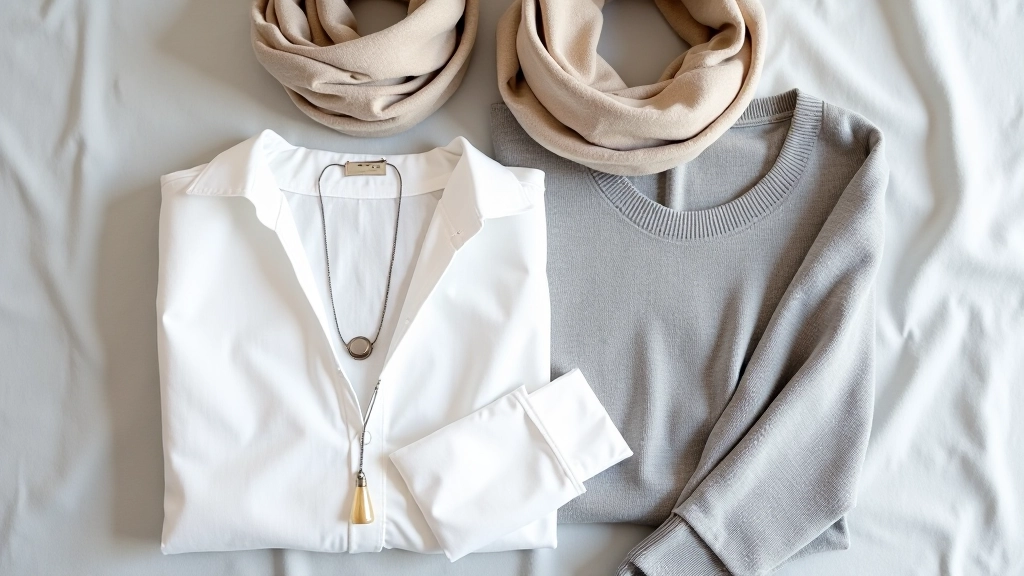

Office Days, Cafe Meetings, Cultural Events — Outfit Formulas
Three outfits. Same pieces. Different styling. Here's how smart layering and strategic accessories transform one wardrobe into three completely different looks for three different occasions in Riga.

Building a versatile wardrobe doesn't mean buying more. It means understanding how pieces talk to each other. A neutral blazer becomes different depending on what's underneath it, what sits beside it, and what you choose to carry. That's the real skill — not owning a lot, but making what you own work harder.
We've put together three complete outfits using mostly the same foundational pieces. The differences? A change in layering, texture, proportion, and accessories. Each outfit serves a distinct moment in a Riga week, but they're built from the same closet. This is capsule dressing done properly.
Office Days: Structured and Intentional
Monday through Friday calls for presence without effort. You're navigating a desk, a meeting room, maybe a coffee run. The outfit needs to stay put — no shifting, no readjusting. This means structure matters.
Start with a slim-fit cream turtleneck (long-sleeve, not oversized — proportion is critical here). Layer a charcoal wool blazer on top. This combination does the work for you. The turtleneck keeps everything streamlined; the blazer adds authority. Neither piece needs adjustment once you put them on.
The Formula
- Cream fitted turtleneck (merino blend)
- Charcoal wool blazer (straight-cut, not cropped)
- Dark navy straight-leg trousers
- Camel leather loafers (polished, not matte)
- Simple gold watch + minimal rings
Add straight-leg navy trousers in a structured wool. The key word is "structured" — fabric that holds its shape through a 9-hour day. Pair with camel leather loafers. Not ballet flats, not sneakers. Loafers sit in that professional middle ground where Riga offices expect you to be.
Accessories stay minimal. A gold watch. Maybe two rings on one hand. A simple leather bag — structured, not slouchy. The goal is that people notice your presence, not your jewelry. Everything says "I have my things together."
Cafe Meetings: Approachable and Layered
You're meeting someone for coffee. A colleague, a potential collaborator, maybe someone from your community. The vibe is different from the office. More human. Less "I have authority," more "I'm engaged and present."
This is where layering becomes your best tool. Start with the same cream turtleneck, but swap the structured blazer for a warm camel or oatmeal cardigan — oversized, not fitted. This immediately softens the whole impression. The turtleneck still provides that pulled-together baseline, but the cardigan says you're not locked into formal mode.
The Formula
- Cream fitted turtleneck (base layer)
- Oversized camel cardigan (wool blend, boyfriend fit)
- Straight-leg jeans (dark, not black)
- White or cream leather sneakers (clean, minimal)
- Larger leather crossbody bag (structured but soft-edged)
Switch the trousers for dark jeans — not black, not distressed, just a good dark indigo. Pair with white or cream leather sneakers. This is the moment where comfortable actually looks intentional. The sneakers anchor the whole thing; they say you value comfort without looking like you're headed to the gym.
The bag changes too. You can go slightly larger here, something that holds a laptop or a notebook. A structured leather crossbody bag works, or a soft rectangular tote. The cafe doesn't demand the same professional minimalism as the office. But don't go too casual — this person is still meeting a version of the professional you.
Cultural Events: Considered and Textured
An evening at the National Museum. A gallery opening in the Grīziņkalns district. A theater event. You're still the same person as the office version, but now you're entering a space where style actually matters. Not formal, not casual — something in between that shows you've thought about it.
This outfit plays with texture and proportion in ways the office outfit doesn't allow. The cream turtleneck appears again (it's a capsule foundation), but now it's paired with a rich, structured skirt instead of trousers. Black, midi-length, clean lines. This single change shifts everything from "professional" to "intentional."
The Formula
- Cream fitted turtleneck (same base)
- Black midi skirt (wool, A-line silhouette)
- Textured cream or oatmeal cardigan (different from cafe version)
- Black leather ballet flats or pointed loafers
- Small structured leather bag or clutch
- Layered gold necklaces (multiple lengths)
Layer with a different cardigan — still neutral, but one with more visual interest. A cable knit or a textured weave. You're showing that you notice details. Pair with a black midi skirt (wool, A-line, nothing too trendy). The skirt length matters. Midi feels considered. It says you know how to dress for an occasion.
Switch to black ballet flats or pointed loafers. The shoe change is subtle but signals the shift. Accessories expand here. Multiple gold necklaces of different lengths work beautifully — it's layered but not chaotic. A small leather clutch or structured bag. You're not carrying your work laptop anymore. This outfit is about presence, not productivity.
What Actually Shifts Between These Outfits
Bottom Half
Trousers Jeans Skirt. The bottom half does the emotional heavy lifting. Structured trousers feel formal. Jeans feel casual. A skirt feels intentional. Same top, different bottoms, three completely different vibes.
Layering Fit
Fitted blazer Oversized cardigan Textured cardigan. The outer layer controls proportion and approachability. Fitted equals formal. Oversized equals friendly. Textured equals interesting. Same base, different outer layer, three moods.
Footwear Logic
Loafers Sneakers Ballet flats. Shoes signal context more than any other single piece. Loafers say "professional institution." Sneakers say "I'm comfortable and confident." Ballet flats say "I've dressed for this."
Accessory Density
Minimal jewelry Medium jewelry Layered jewelry. Office minimalism conveys control. Cafe simplicity conveys ease. Event layering conveys intention. More accessories = more statement about the occasion.
How to Build This Into Your Actual Closet
Don't buy these outfits as complete sets. Buy the pieces one at a time and let them overlap with what you already own. Start with the cream turtleneck (the real MVP here). It works with almost everything. Then add one quality blazer — charcoal or navy, nothing trendy. A good blazer lasts years.
The bottoms are the next priority. One pair of structured trousers, one pair of dark jeans, and when you're ready, a midi skirt. These three pieces will do more work than anything else in your closet. Invest in fabric that holds its shape — wool for trousers and skirts, cotton blend for jeans.
Cardigans come later. You don't need them immediately. But when you do add them, get two: one fitted blazer-adjacent cardigan, and one oversized comfortable version. Neutral colors only. The moment you buy a cardigan in burgundy or forest green, you've limited its versatility.
Shoes are where most people mess up. They buy too many. You actually need three: something formal (loafers), something casual (clean sneakers), something in-between (ballet flats or pointed loafers). That covers every situation in Riga.
The real outfit formula isn't about following rules. It's about understanding what each piece communicates and then choosing deliberately. A turtleneck is a turtleneck, but paired with a blazer it says "I mean business." Paired with an oversized cardigan it says "I'm approachable." Paired with a midi skirt it says "I've thought about this."
Three outfits. Same foundation. Different conversations. That's how you build a wardrobe that actually works in a city like Riga, where you move between office, cafe, and cultural space in a single week. Stop buying more. Start layering smarter. Your closet will thank you, and so will your mornings.

About This Article
This article is informational and educational. The outfit formulas presented are based on styling principles and personal style exploration, not rigid rules. Fashion is deeply personal, and what works for one person may not work for another. The pieces and proportions suggested here are starting points for your own experimentation. Prices, availability, and specific brand recommendations are not included because style works best when you choose pieces that fit your budget, body, and personal taste. Always shop thoughtfully and choose pieces you genuinely love.
Related Articles