Smart Layering and Accessory Balance — Style Tips That Stick
Don't just throw on layers. We break down the rules for texture, proportion, and how accessories can tie it all together. Practical and visual.
Layering isn't just about staying warm. It's a styling tool that transforms how you look and how your clothes work together. The right combinations create depth, visual interest, and endless outfit possibilities from the same pieces.
This guide walks you through the fundamentals — texture mixing, proportion rules, and how to choose accessories that actually tie things together instead of cluttering them. We're focusing on real techniques that work with Baltic minimalist pieces and neutral palettes.
Start with the Foundation Layer
The base layer sets everything up. You'll want something fitted — a basic white t-shirt, a fitted long-sleeve tee, or a lightweight ribbed top. The key: it shouldn't add bulk. If your foundation layer is baggy, everything else will look sloppy no matter what you pile on top.
Cotton-linen blends work brilliantly for this. They're breathable, they drape cleanly, and they won't create weird bunching at your waist when you layer. We're talking classic pieces that cost nothing — most people already own three or four solid foundation pieces in their closet right now.
Neutral colors (cream, white, grey, black) give you flexibility. They disappear under other layers instead of fighting for attention. Once you nail the foundation, the rest of the layering actually becomes easier because you're working with a clean base.
Mix Textures — But Not Too Many
This is where layering gets interesting. Texture creates visual movement. A smooth cotton base + a chunky knit sweater + a sleek blazer tells a story. But if you mix more than three different textures, the outfit starts looking busy.
Here's what works: smooth base + chunky layer + structured layer. That's your sweet spot. Think fitted white tee (smooth) under a cable-knit sweater (chunky) under a tailored blazer (structured). The textures play off each other without creating chaos.
Avoid pairing two chunky pieces together — cable knit + fuzzy mohair looks more costume than intentional. And don't layer two smooth fabrics if you can help it; they flatten the look. The goal is contrast that creates dimension, not sameness that disappears.
Proportions Matter More Than You Think
Proportion isn't complicated, but it's crucial. If you're wearing a long cardigan, keep your inner layers closer to the body. If you're wearing a cropped jacket, you can layer a longer sweater underneath. The shapes need to interact in a way that looks intentional.
The general rule: one fitted, one structured, one loose. Don't layer three loose pieces — you'll look like you're wearing a sleeping bag. A fitted white tee (fitted) + oversized grey sweater (loose) + straight-cut trousers (structured) creates balance. Everything has a purpose and a place.
Length also matters. If your sweater ends at mid-hip, your outer layer should either hit above that point or below it. Layering pieces that end at the exact same length creates an unfortunate "bulk" effect that kills the whole look. Aim for at least a 2-3 inch difference between where pieces end.
Accessories Are the Glue
Layered pieces need accessories to feel complete. But here's the thing — restraint matters. Choose one statement piece per outfit. If you're wearing a chunky scarf, keep your jewelry minimal. If you're wearing layered delicate necklaces, maybe skip the scarf.
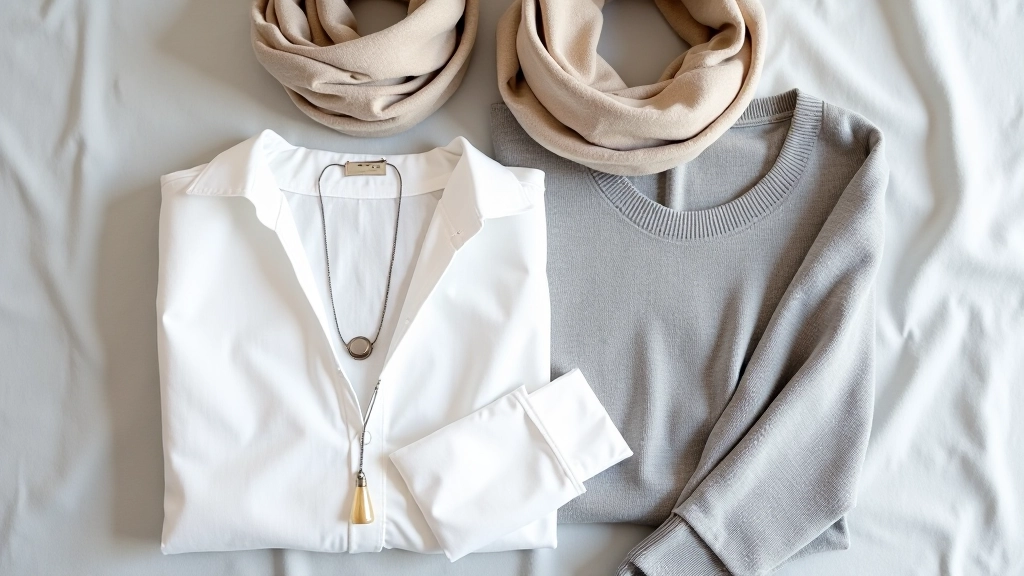
A simple leather belt cinches a loose sweater and defines your waist. A lightweight scarf (silk is perfect) adds texture without bulk and ties disparate layers together visually. Minimal gold or silver jewelry keeps things refined. You're not adding clutter — you're intentionally finishing what you started with the layers.
Color coordination matters too. If your layers are all neutral (cream, grey, black), your accessories should be neutral or one cohesive tone. A camel belt, natural linen scarf, and gold jewelry create harmony. A bright patterned scarf + silver chains + tortoiseshell bag starts looking disconnected.
Real Outfit Examples That Work
Let's get specific. These are combinations we've actually tested and they hold up.
Office Ready
Fitted white t-shirt + camel wool sweater + tailored charcoal blazer + leather belt + minimal gold hoops. Add structured trousers or a midi skirt. This works Monday through Friday and feels intentional, not thrown together.
Casual Weekend
Cream long-sleeve base + oversized grey sweater + linen scarf + canvas crossbody bag. Pair with straight-leg jeans or casual trousers. It's comfortable but looks like you considered what you put on.
Evening Appropriate
Fitted black turtleneck + structured wool blazer + minimal gold layered necklaces. Skip the scarf, let the jewelry do the talking. Works for cafe meetings or cultural events around Riga.
Quick Reference: Five Things to Remember
Start Fitted
Your base layer should be close to your body. Baggy foundations make everything else look sloppy.
Three Textures Maximum
Smooth + chunky + structured. More than that and the outfit looks busy instead of intentional.
Vary the Lengths
Don't let pieces end at the same point. Aim for 2-3 inches difference to create visual interest.
One Statement Accessory
Choose either a scarf, jewelry, or belt as your focal point. Let the others stay minimal.
Stay Neutral
Cream, grey, black, camel, white — these colors make layering easier and more versatile.
The Point of It All
Smart layering isn't about owning more clothes. It's about making the pieces you already have work harder. A fitted white tee, a grey sweater, a blazer, and a scarf can create dozens of different looks depending on how you layer and accessorize them. That's the real power of understanding proportion, texture, and balance.
Start with these principles and you'll notice your outfits feel more intentional. You'll stop feeling like you're just throwing things together. The layering becomes a tool instead of a guessing game. And that's when getting dressed actually becomes enjoyable.

Disclaimer
This article is informational and educational. Style recommendations are based on general principles of proportion, texture, and visual balance. Individual preferences, body types, and comfort levels vary widely. Consider your own needs and preferences when applying these guidelines. Links to specific locations and shops are current as of the publication date and may change. Always check availability and current selections before visiting.